Section Three
Vitola Guide — Sizes and Shapes
Two numbers tell you almost everything about a cigar before you light it. The length in inches and the ring gauge, which is the diameter measured in 64ths of an inch. A bigger ring gauge gives you a cooler, slower smoke with more room for the filler to breathe. A smaller ring gauge puts the wrapper front and center and delivers a tighter, more focused draw. Get familiar with these and you will always know what you are picking up before you ever read the band.
| Name |
Length |
Ring Gauge |
Smoke Time |
Character |
| Petit Corona | 4 to 4.5" | 40 to 42 | 20 to 30 min | Concentrated, wrapper forward |
| Corona | 5.5 to 6" | 42 to 44 | 30 to 45 min | Balanced, the classic format |
| Robusto | 4.75 to 5.5" | 48 to 52 | 45 to 60 min | The world's most popular vitola |
| Toro | 6 to 6.5" | 50 to 54 | 60 to 75 min | Full experience, well balanced |
| Churchill | 6.75 to 7.5" | 46 to 48 | 75 to 90 min | Elegant, evolving complexity |
| Lancero / Laguito | 7 to 7.5" | 38 to 40 | 60 to 75 min | Wrapper dominant, sharp focused flavors |
| Piramide / Torpedo | 5.5 to 6.5" | 50 to 54 | 55 to 75 min | Tapered head concentrates the draw |
| Perfecto | 4 to 6" | Variable | 30 to 60 min | Tapered both ends, a complex smoke |
| Gordo / Gran Toro | 6" | 60+ | 60 to 90 min | Cool, generous, and unhurried |
Smoke times are averages based on a relaxed pace. How quickly or slowly you smoke a cigar makes a big difference. A slow, deliberate smoker might get another 20 minutes out of any of these. Smoke too fast and you will finish sooner with a hotter, harsher smoke. Let the cigar breathe.
Section Six
Shapes & Styles — Parejos and Figurados
Every premium cigar falls into one of two families. Parejos are straight-sided cylinders, the workhorses of the cigar world. Figurados are everything else — tapered, twisted, or otherwise shaped to change how the smoke develops. Knowing the difference, and knowing the classic examples of each, will change how you look at a humidor.
Parejos — Straight-Sided Cigars
Parejos have a consistent diameter from foot to head. They may be round or box-pressed. Most have an open foot and a closed cap that needs to be cut before smoking. The shape puts the focus squarely on the tobacco blend rather than the construction.
Corona
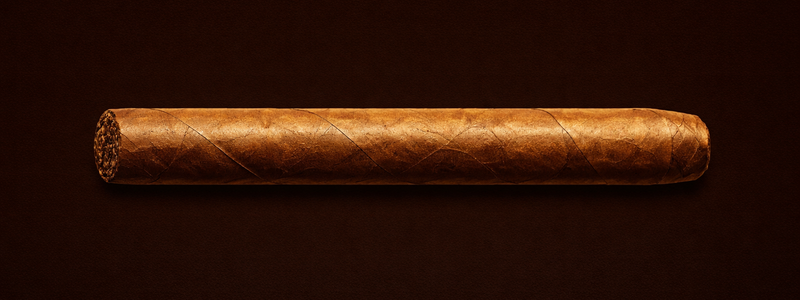
The benchmark against which all other vitolas are measured. A classic corona runs 5.5 to 6 inches with a 42 to 44 ring gauge. It is the most balanced format in the cigar world — long enough to develop complexity, narrow enough to keep the wrapper prominent throughout. Example: Montecristo No. 3
Petit Corona
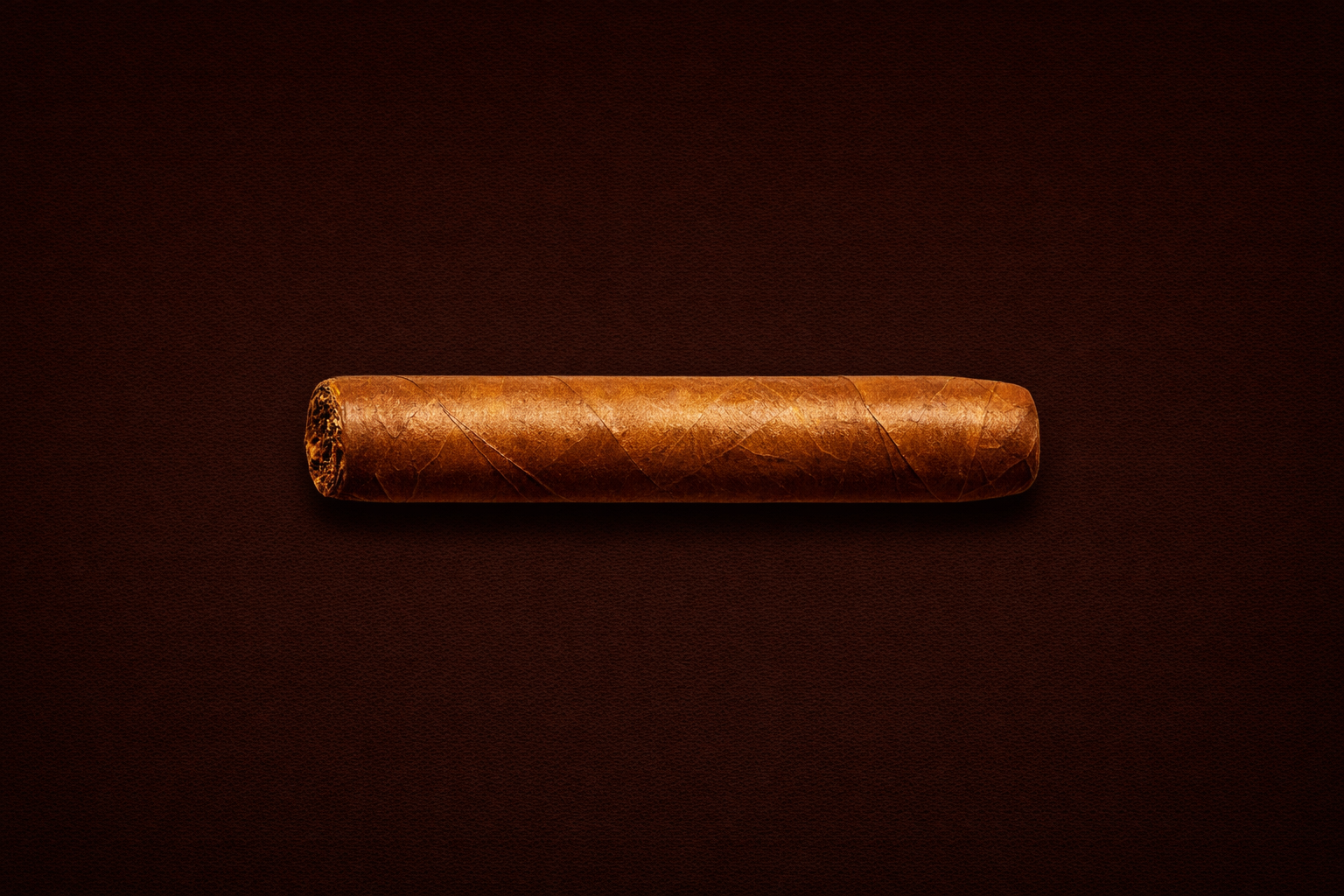
A compact version of the corona, typically 4 to 4.5 inches with a 40 to 42 ring gauge. The shorter format delivers concentrated flavor in a 20 to 30 minute smoke. A perfect choice when time is limited but you refuse to compromise on quality. Example: Macanudo Café Hyde Park
Churchill
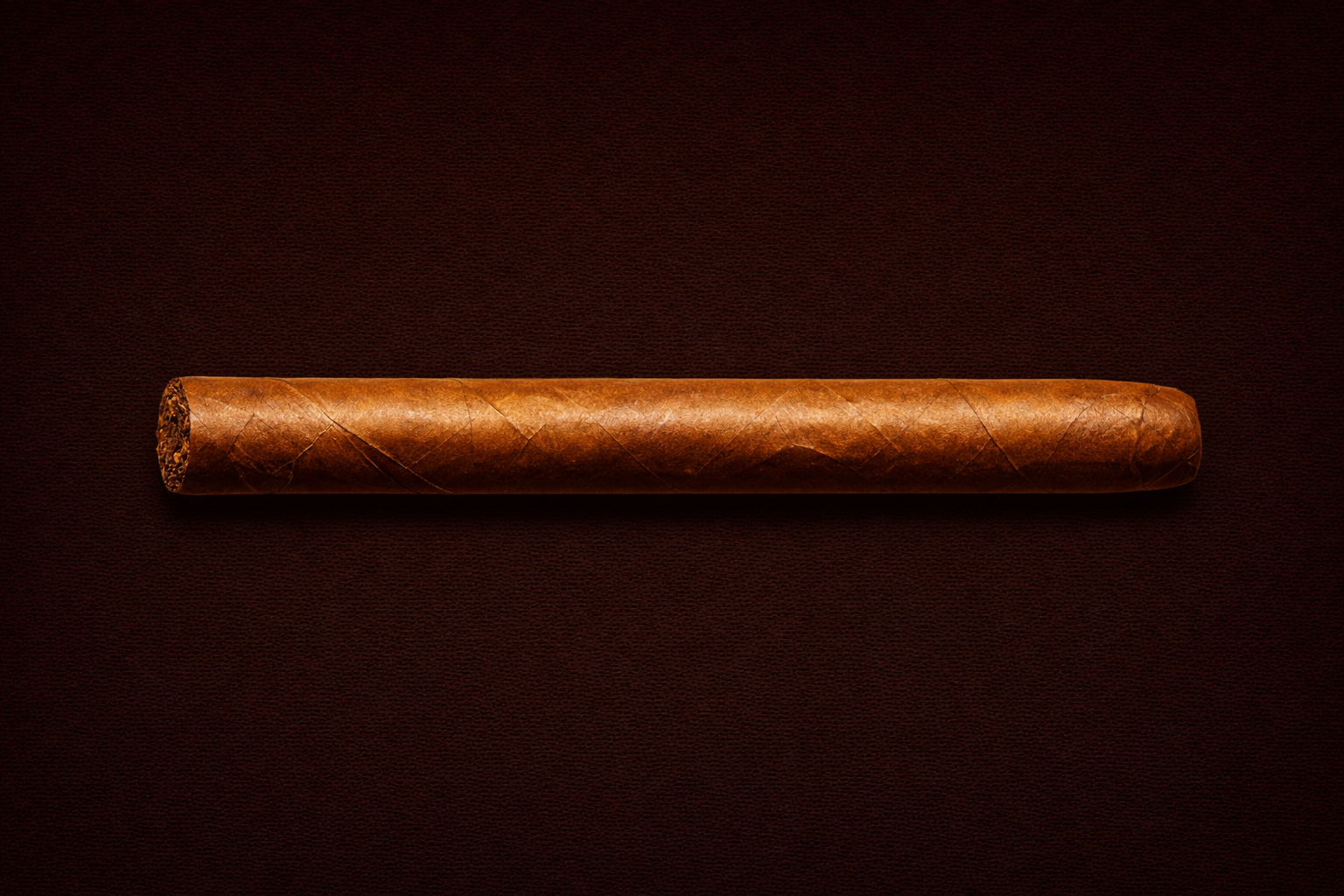
Named for Winston Churchill, who was rarely seen without one. The standard is 7 inches by a 47 ring gauge, delivering a long, slow, evolving smoke that changes character from third to third. This is a format for when you have nowhere to be and something worth thinking about. Example: Davidoff Winston Churchill
Robusto
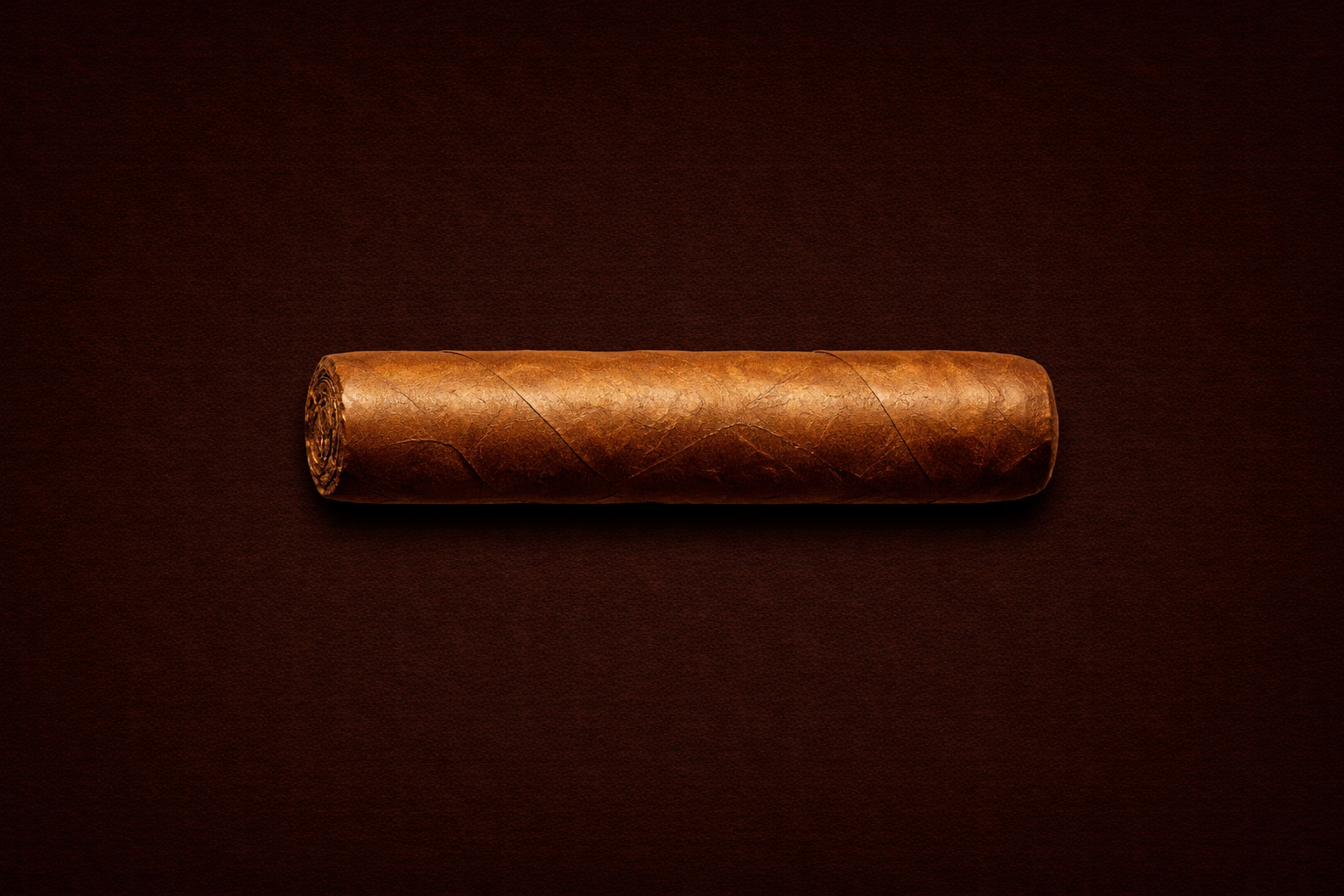
The most popular cigar format in America. Short and fat at 4.75 to 5.5 inches with a 48 to 52 ring gauge, the robusto delivers a full experience in under an hour. The wider ring gauge keeps the smoke cool and lets multiple filler tobaccos express themselves simultaneously. Example: Padrón 1964 Anniversary Robusto
Corona Gorda / Toro
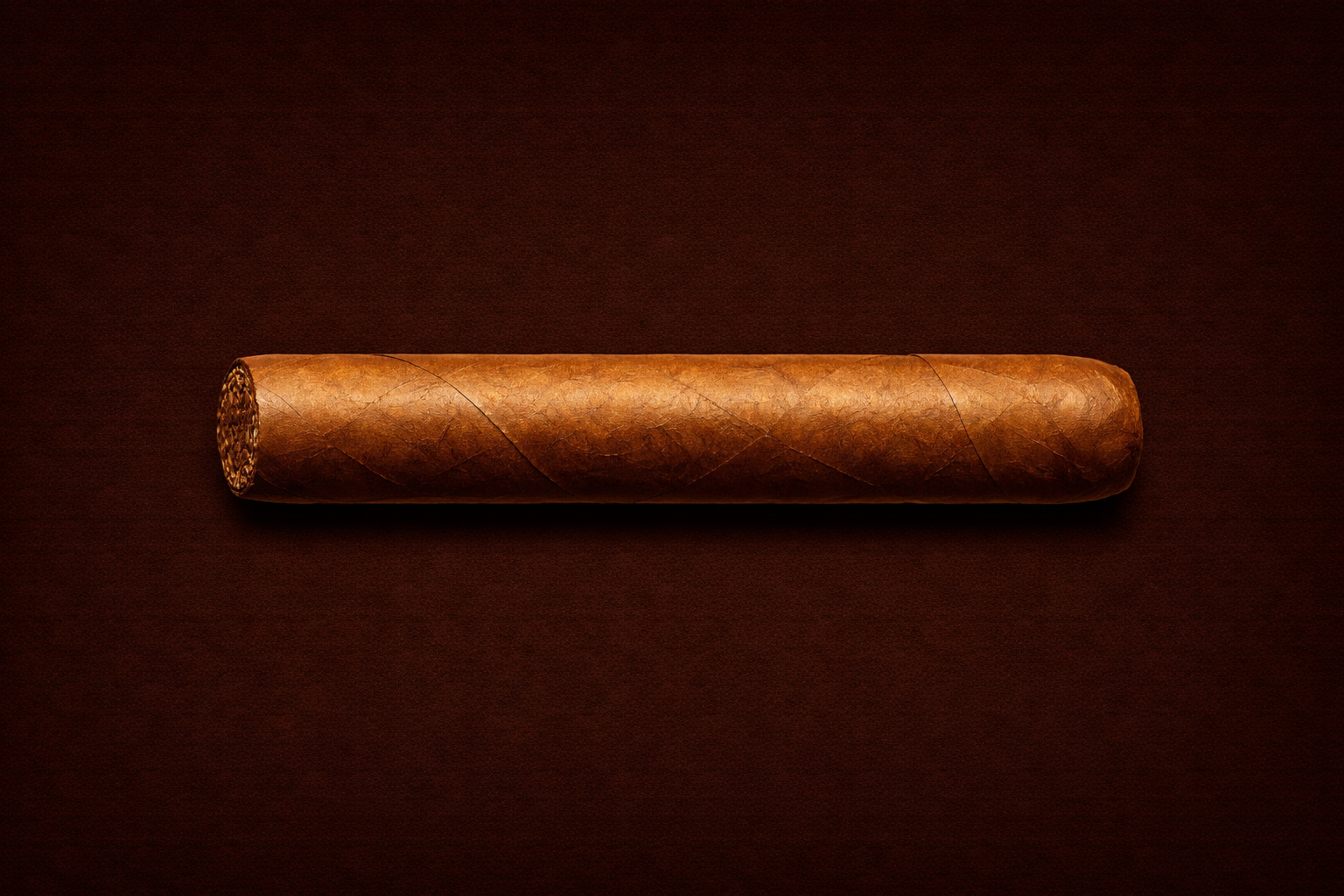
The toro has become the go-to choice for serious smokers. Running 6 inches by 50 to 54 ring gauge, it hits the sweet spot between the robusto's power and the churchill's elegance. You get a full hour of smoking time with a draw that opens up beautifully as the tobacco warms. Example: Oliva Serie V Melanio Toro
Double Corona
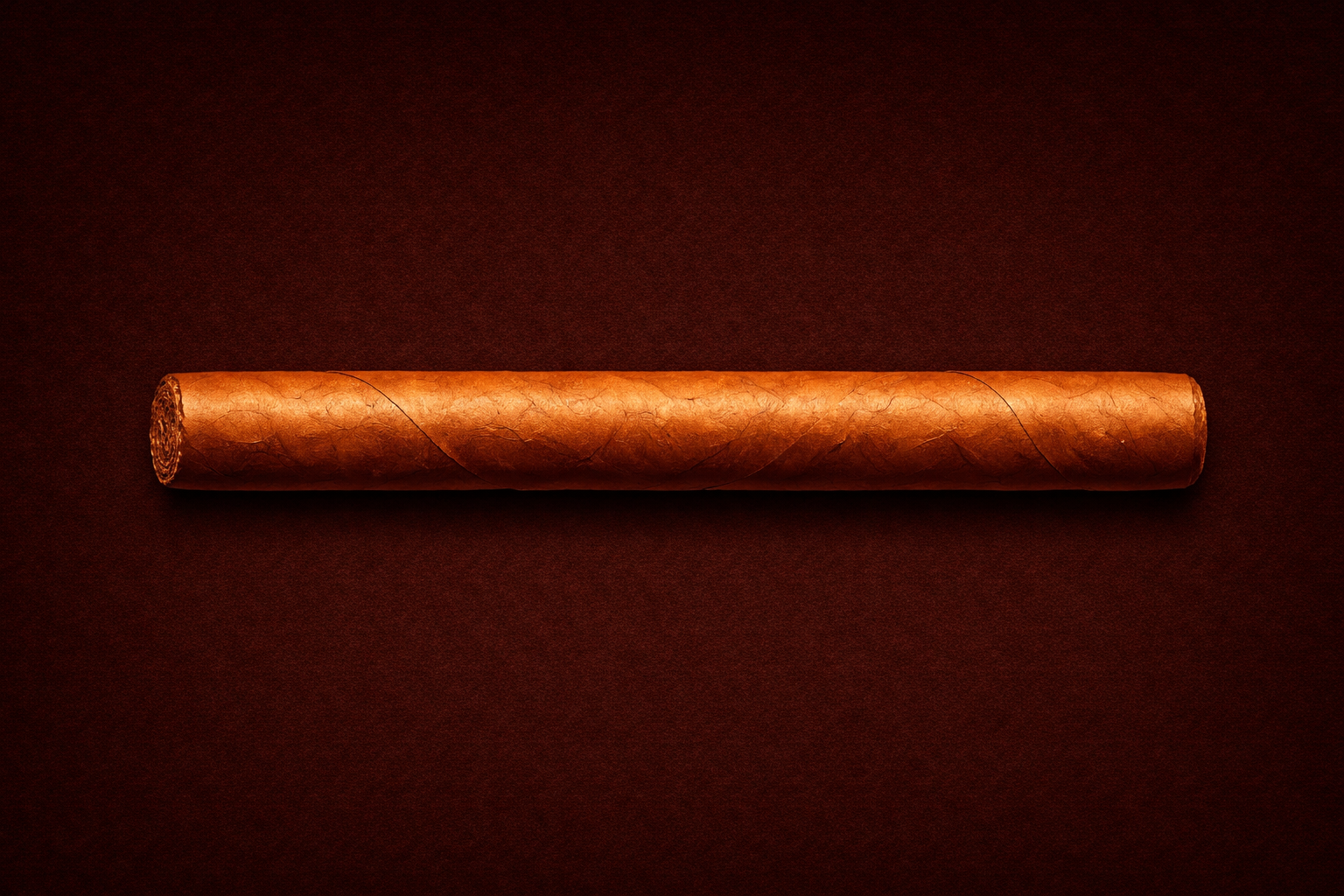
A serious commitment at 7.5 to 8.5 inches with a 49 to 52 ring gauge. Double coronas are increasingly rare outside of Cuban production, which makes them worth seeking out. The extended smoke time allows for a level of flavor evolution that shorter formats simply cannot deliver. Example: Hoyo de Monterrey Double Corona
Panetela
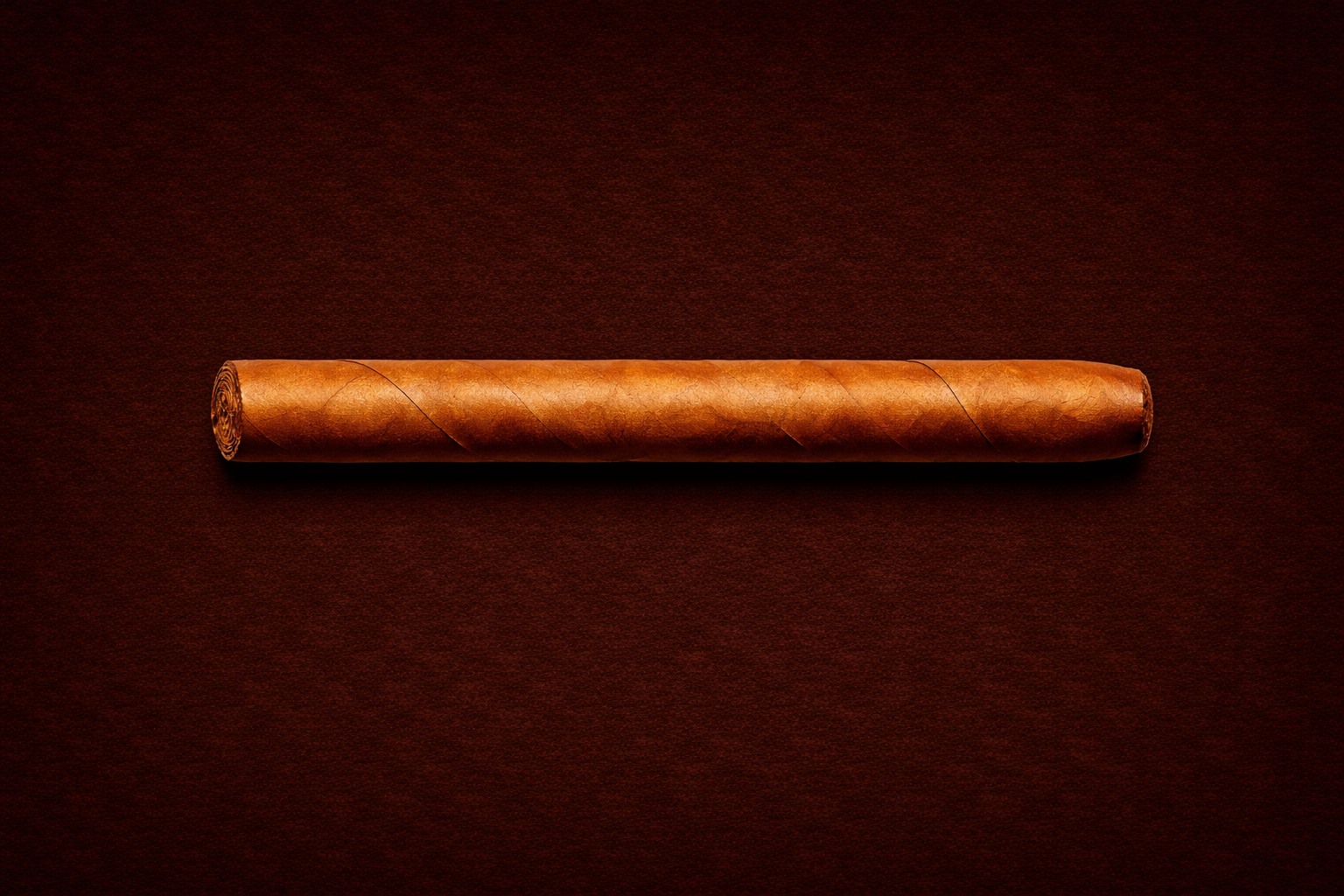
Long, lean, and elegant. The panetela runs 5 to 7.5 inches with a narrow 34 to 38 ring gauge. The thin diameter puts the wrapper front and center and produces a sharper, more focused flavor profile. The lancero is the most prized subset, a connoisseur's format that demands quality tobacco to work at all. Example: Cohiba Lancero
Lonsdale
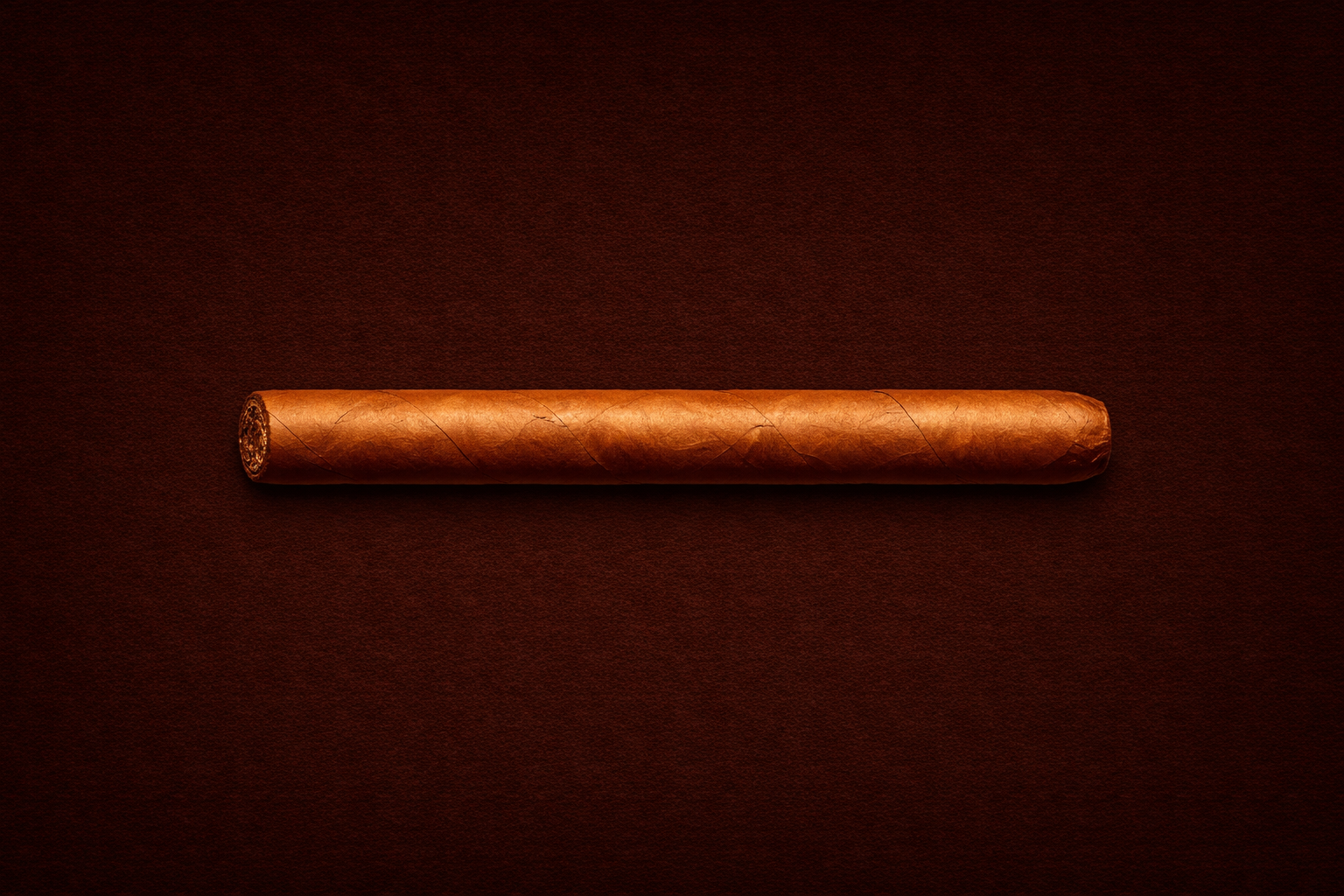
The lonsdale sits between the corona and the panetela — longer than the former, thicker than the latter, at a classic 6.5 inches by 42 ring gauge. It gives you the wrapper focus of a thinner cigar with enough girth to develop real complexity. An underappreciated format. Example: Montecristo No. 1
Grande / Gordo
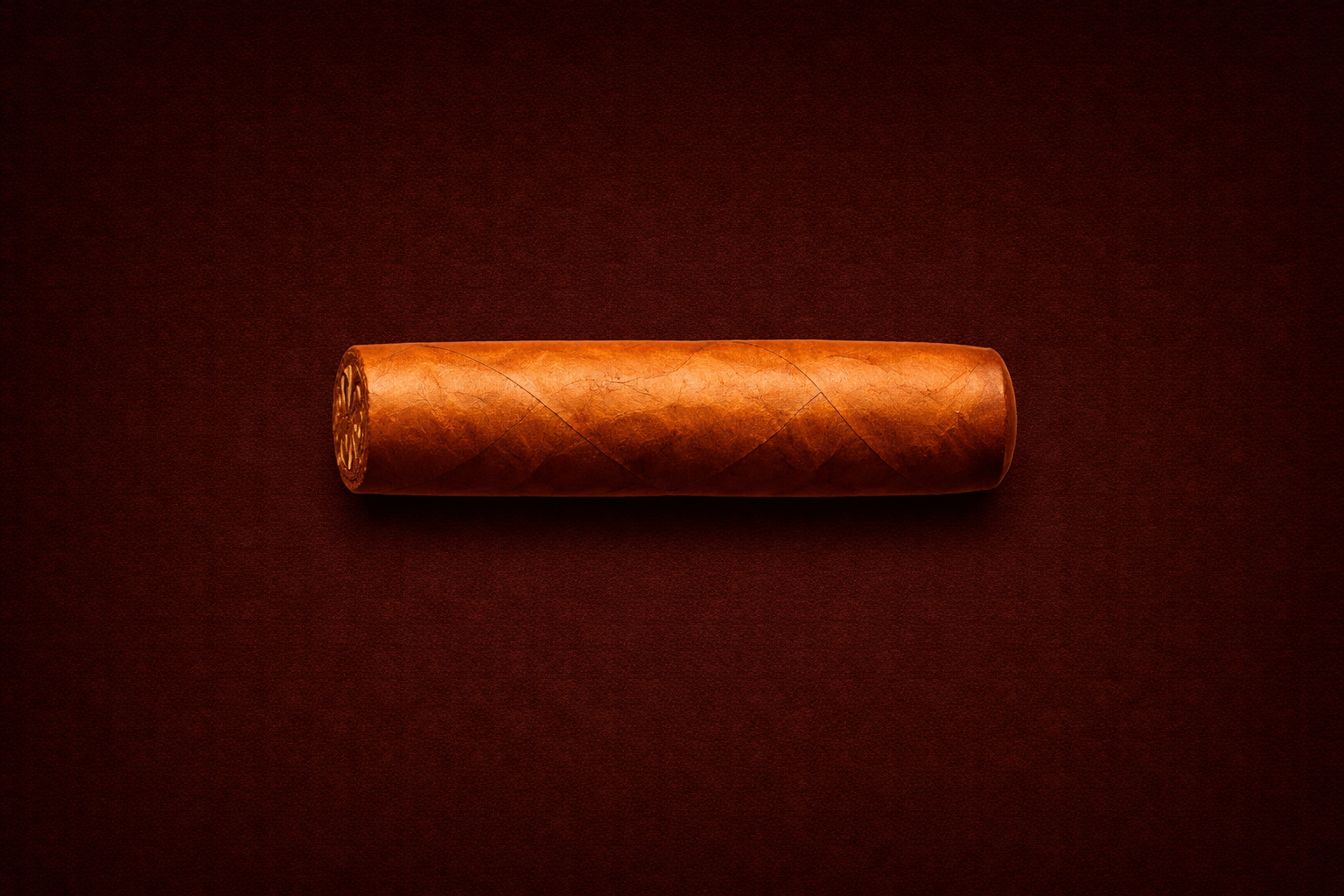
Ring gauges of 60 and above, at least 4.75 inches long. The grande format was once considered a novelty but has earned a permanent place in nearly every major maker's portfolio. The massive diameter produces an exceptionally cool, slow smoke. Some find it too loose; others find it the most relaxed format there is. Example: Rocky Patel Sixty
Figurados — Shaped Cigars
Figurados are any cigar that is not a straight cylinder. The shape changes the smoking experience in meaningful ways — tapered heads concentrate flavor, tapered feet alter how the cigar lights and opens. They require more skill to roll and more attention to smoke well.
Pyramid
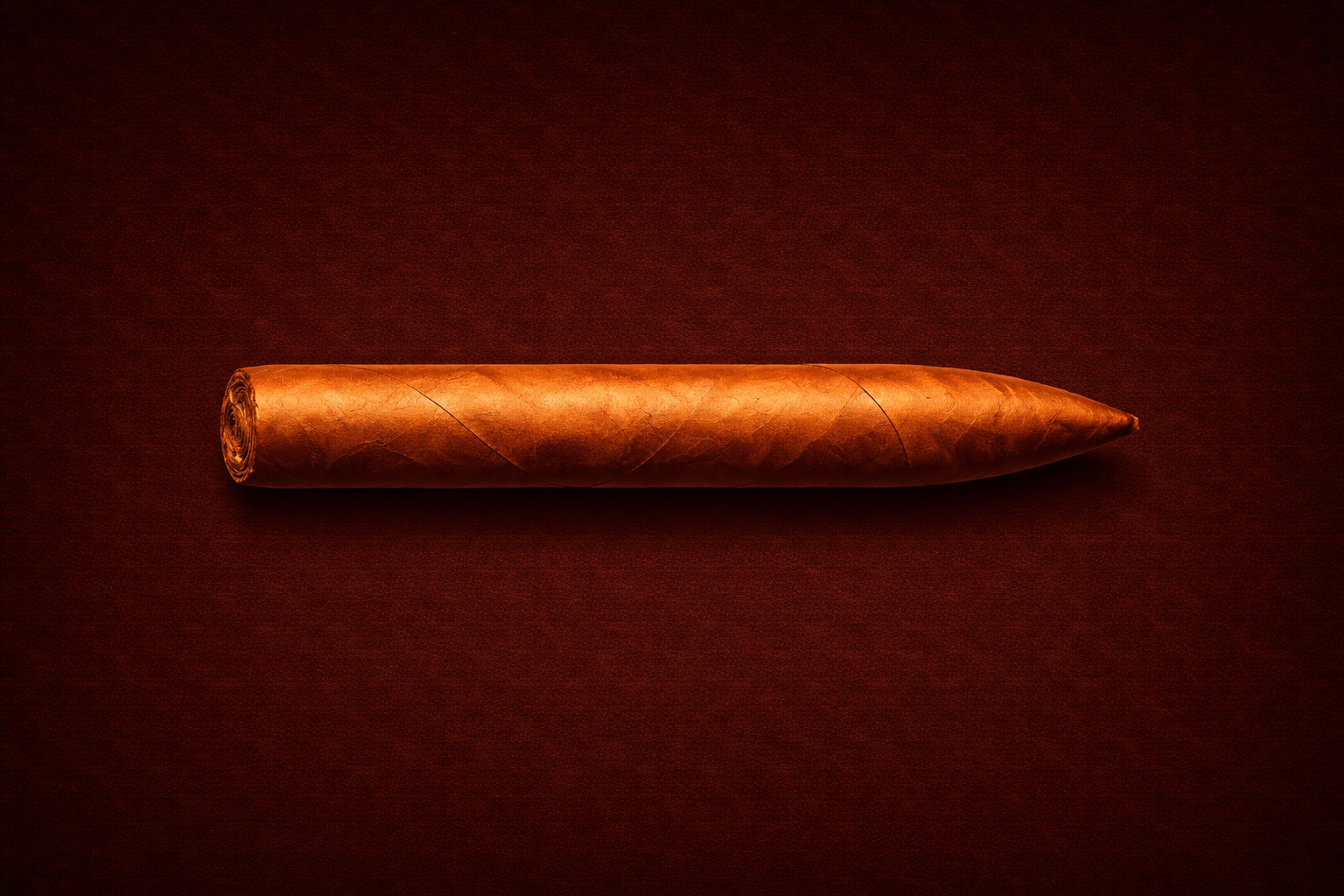
An open foot like a parejo, but the head tapers to a point. The taper causes the different filler tobaccos to converge at the head, blending in a way that a straight-sided cigar cannot replicate. Generally 6 to 7 inches with a ring gauge that widens from around 40 at the head to 52 or 54 at the foot. Example: Montecristo No. 2
Belicoso
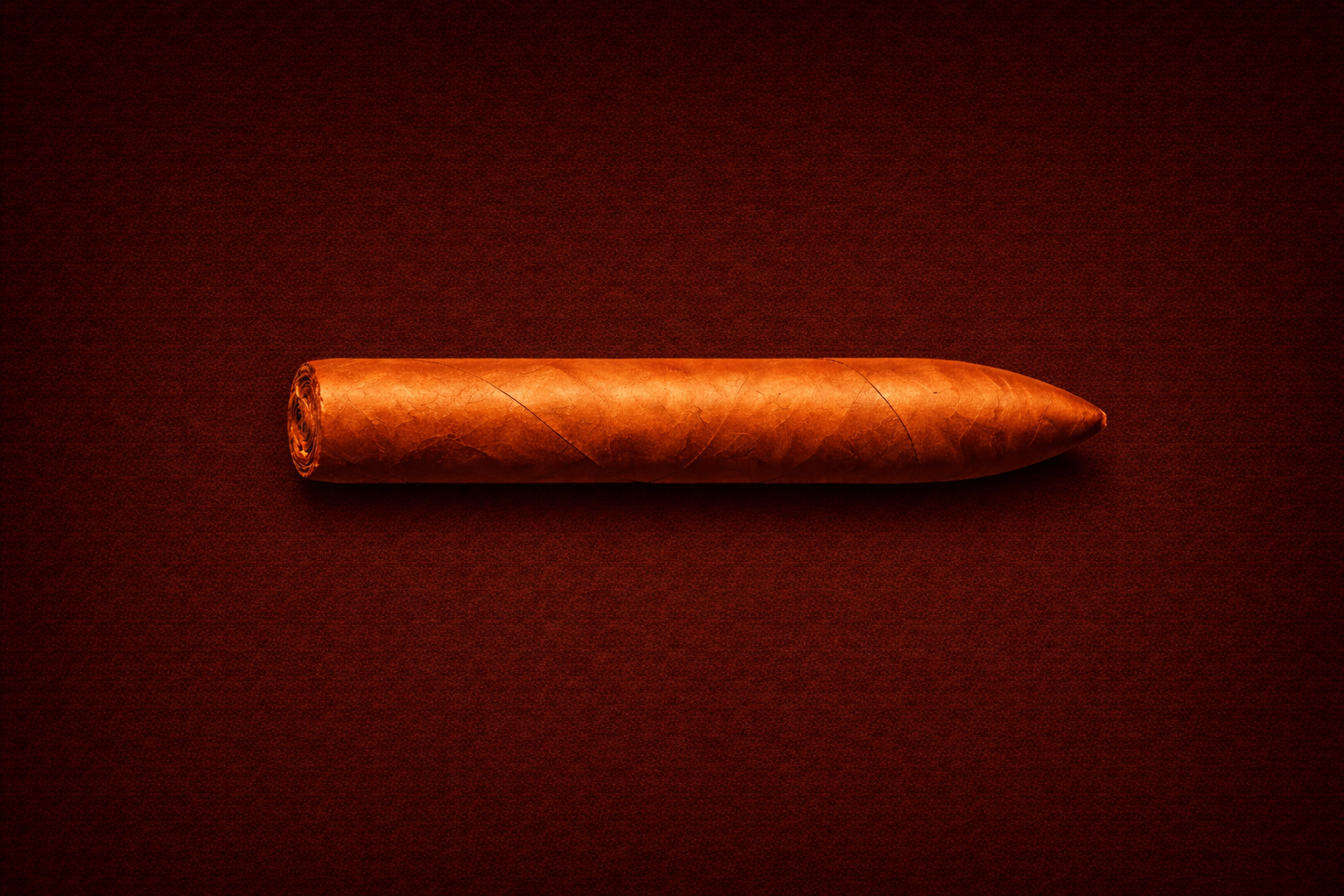
A shorter pyramid, traditionally 5 to 5.5 inches, with a softly rounded taper rather than a sharp point. Modern belicosos are often simply coronas or toros with gently tapered heads. The shape delivers the flavor-concentrating effect of a pyramid in a more manageable format. Example: Bolívar Belicoso Fino
Torpedo
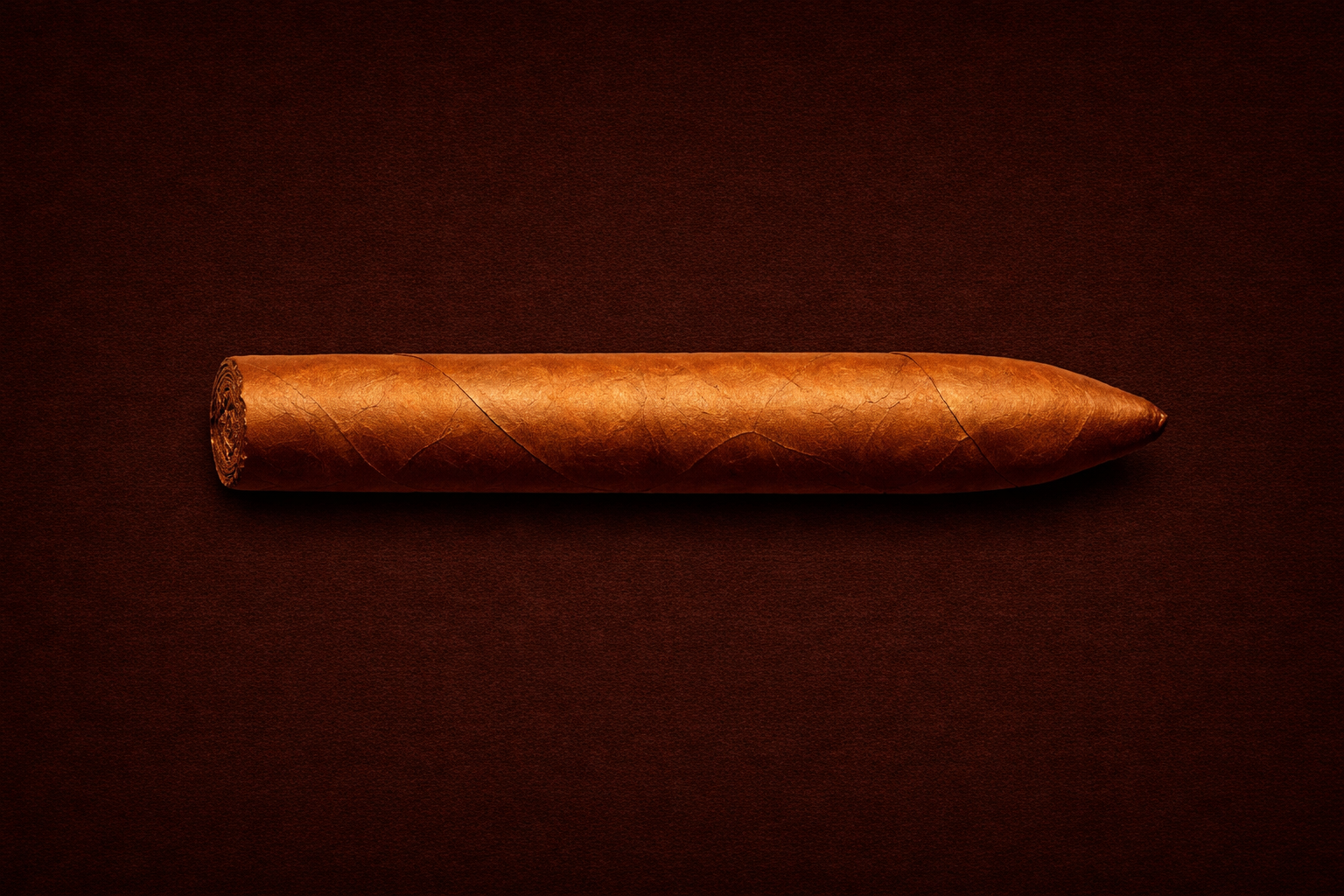
The torpedo shares DNA with the pyramid but with a sharper, more pronounced point. The distinction between torpedo and pyramid is not always consistent across makers, but as a general rule: if the taper is aggressive and comes to a defined point, it is a torpedo. Example: Perdomo Reserve Torpedo
Perfecto
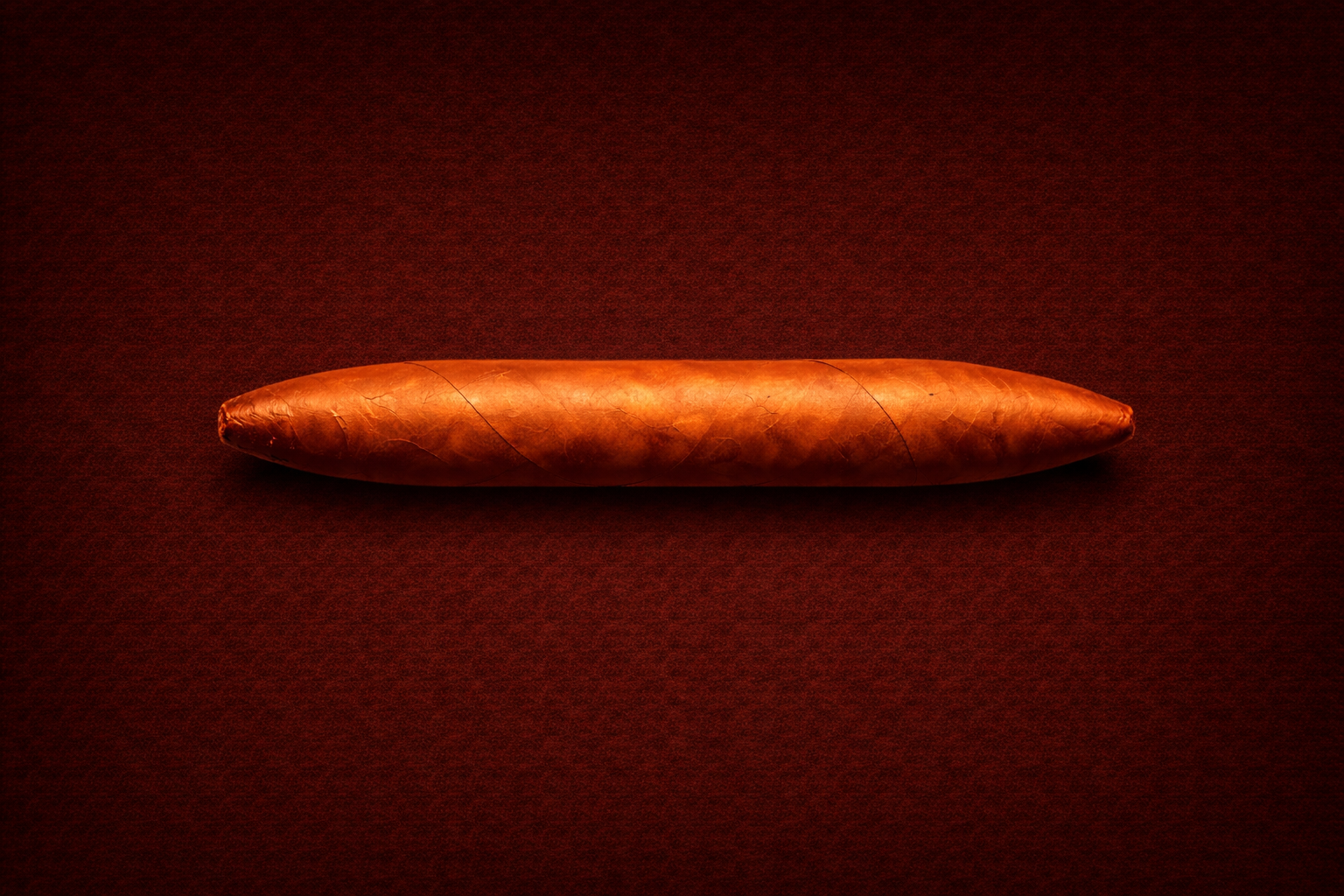
The perfecto tapers at both the head and the foot, usually with a noticeable bulge in the middle. It is the most complex shape to roll and the most unpredictable to smoke. No two perfectos burn quite the same way. The Arturo Fuente Hemingway series is one of the most celebrated examples of the format. Example: Arturo Fuente Hemingway Short Story
Culebra
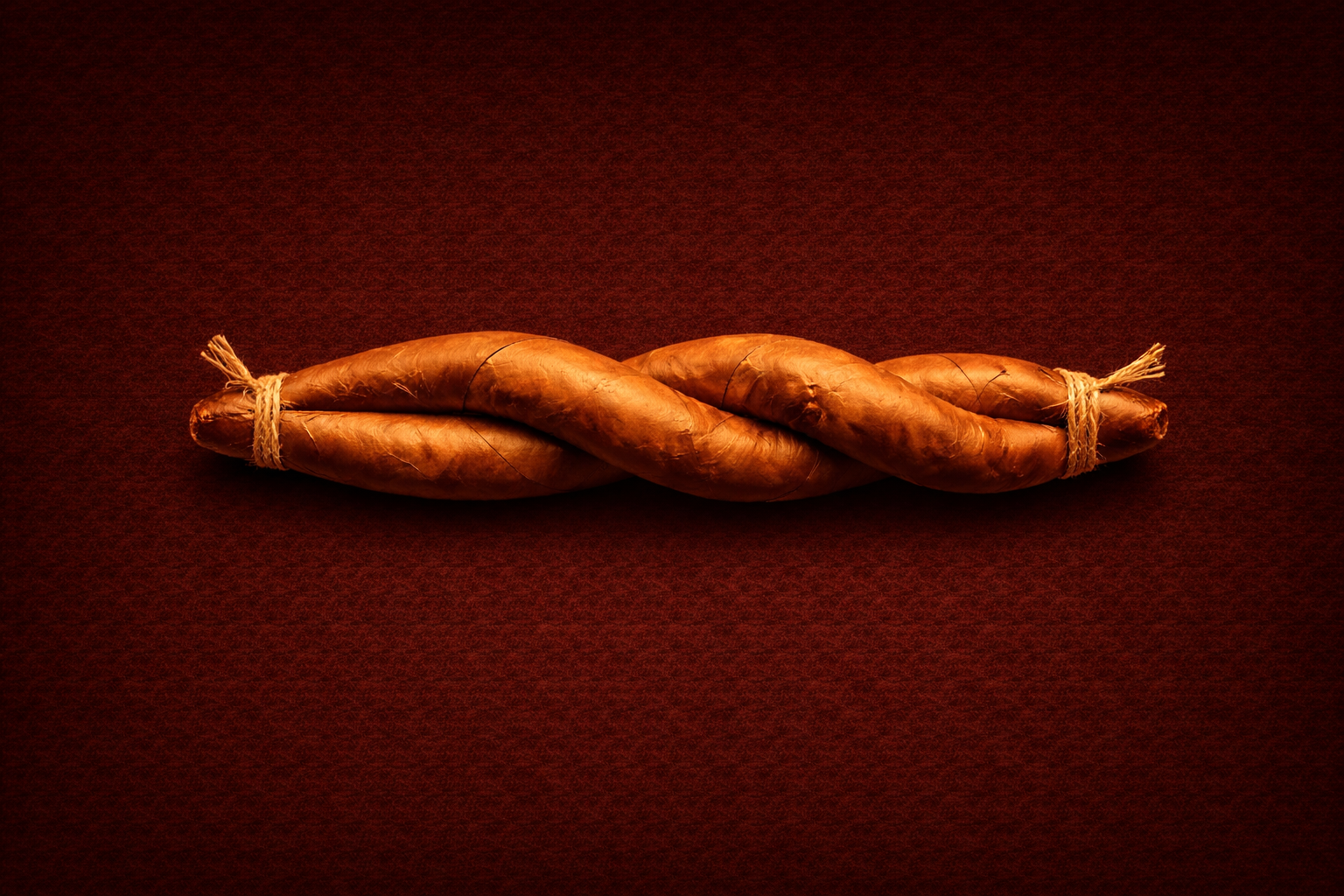
Three panetelas braided together and bound with string, sold as a single cigar and smoked separately. The culebra is more spectacle than practical format, and finding one is increasingly rare. When you do, unwind the three and smoke one yourself, then share the other two. That is the tradition. Example: Partagás Culebra
Diadema
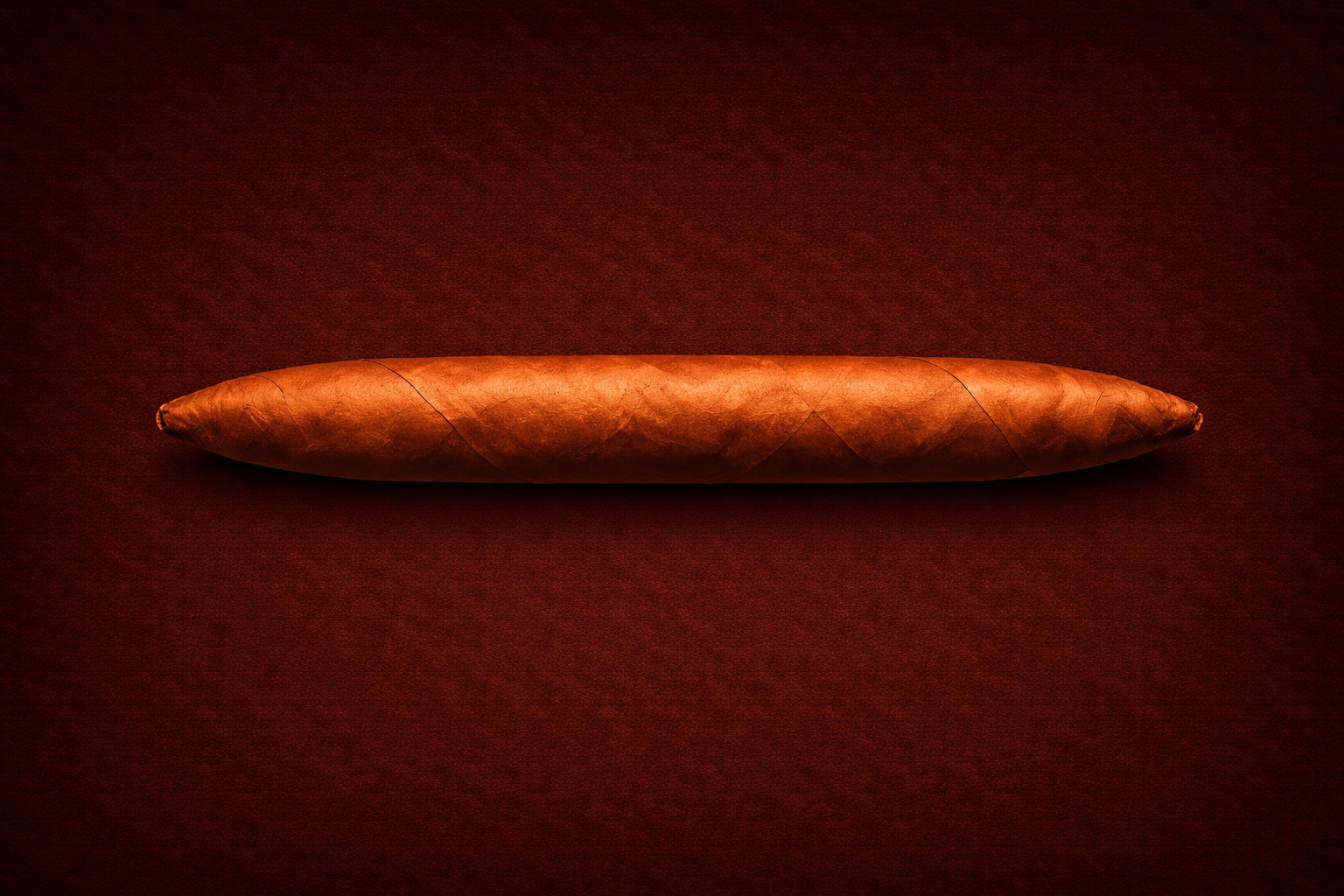
A very large figurado, often eight inches or longer, with tapers at both ends. The salomón is the most well-known subset of the diadema family. These are statement cigars, demanding in construction and in the time required to smoke them properly. Not for the impatient. Example: Cuaba Salomón
Ring gauge is measured in 64ths of an inch. A 50 ring gauge cigar is 50/64 of an inch in diameter. There is no correlation between cigar size and strength. A thin panetela rolled with powerful Nicaraguan leaf will be stronger than a grande rolled with mild Connecticut shade. Size determines the experience; the tobacco determines the strength.
Section Seven
Cigar Growing Regions
Where a tobacco leaf grows shapes everything about it. The soil, altitude, rainfall, and humidity of a region leave their mark on every cigar that comes out of it. The great growing regions are not interchangeable. Each one has a character that experienced smokers can identify, and understanding them will make you a sharper judge of everything you smoke.
Nicaragua
The most important cigar-growing country in the world right now. Nicaragua produces tobacco of extraordinary depth and complexity, grown in three distinct valleys that each contribute something different. Jalapa delivers sweetness and body. Estelí produces power, pepper, and intensity. Condega adds earthiness and balance. The combination of all three is the foundation of countless flagship blends. Nicaraguan tobacco has a natural spice and a long, satisfying finish that has made it the preference of serious smokers everywhere. Notable brands: Padrón, Oliva, Liga Privada, Rocky Patel, Perdomo
Dominican Republic
The Dominican Republic has been producing world-class cigars for decades and remains one of the most respected origins in the industry. Dominican tobacco is typically milder and more refined than Nicaraguan leaf, with a creaminess and elegance that suits medium-bodied blends exceptionally well. The Cibao Valley in the north is the heart of Dominican production. The country also serves as the home base for many legendary brands that have shaped the premium cigar market. Notable brands: Arturo Fuente, Davidoff, Macanudo, La Gloria Cubana, Avo
Honduras
Honduras has a long and respected history in premium cigar production, producing tobacco with a distinctive earthy richness and a robust character that sets it apart. The Jamastran Valley is the most celebrated growing area, producing some of the most sought-after filler and binder leaf in the world. Honduran tobacco can be bold and assertive, lending strength and backbone to any blend it is part of. The country fell off the radar during periods of political instability but has made a strong return in recent years. Notable brands: Alec Bradley, Camacho, Rocky Patel Reserve
Cuba
Cuba is the birthplace of the premium cigar and still occupies a singular place in the culture, even if its grip on the global market has loosened. The Vuelta Abajo region in Pinar del Río is widely considered the finest tobacco-growing land on earth. Cuban tobacco has a unique terroir that produces a complexity and balance that every blender outside the island has spent decades trying to replicate. Access remains restricted in the United States, which has only added to the mystique. For those who can obtain them legally, Havanas remain a benchmark. Notable brands: Cohiba, Montecristo, Romeo y Julieta, Partagás, Bolívar
Ecuador
Ecuador has become one of the most important wrapper-leaf producers in the world, and that reputation has been built almost entirely on two varieties. Ecuadorian Connecticut shade is grown under the cloud cover of the Andes, which acts as a natural diffuser and produces some of the silkiest, most refined mild wrappers available anywhere. Ecuadorian Habano sun-grown leaf is the opposite end of the spectrum, producing bold, oily wrappers with significant strength and spice. Both are now used by premier makers worldwide. Notable brands: Perdomo, Oliva, Joya de Nicaragua (Ecuador wrapper)
Connecticut Valley
The Connecticut River Valley in the northeastern United States produces one of the most recognizable wrappers in the cigar world. Connecticut shade tobacco is grown under cheesecloth canopies that filter sunlight, producing a pale, smooth, silky leaf with minimal veining and a mild, creamy flavor profile. It is the defining wrapper of the classic American mild cigar and the gateway leaf that has introduced more beginners to premium smoking than any other. The growing season is short and the production is expensive, which keeps Connecticut shade wrappers in demand. Notable brands: Macanudo, Ashton, Davidoff (Connecticut wrapper)
Mexico — San Andrés
The San Andrés Valley in the Mexican state of Veracruz produces one of the most distinctive wrapper leaves in the world. San Andrés maduro wrappers are among the most prized, undergoing extended fermentation to produce an intensely dark, nearly black leaf with rich chocolate and coffee notes and a natural sweetness that balances their considerable strength. The volcanic soil of the region contributes a depth and minerality that is difficult to find elsewhere. If you enjoy maduros, chances are you have already encountered San Andrés tobacco without knowing it. Notable brands: My Father, Padrón (maduro wrapper), Camacho
Cameroon
Cameroonian wrapper leaf has a flavor that cannot be found anywhere else. Grown in the volcanic soil of West Africa and harvested in the wild, it produces a thin-veined, slightly toothy leaf with a distinctive spice, cedar, and barnyard character that is immediately recognizable to anyone who has smoked it. It became a foundation of classic Dominican production in the 1970s and 1980s and remains highly sought after despite inconsistent availability. When you find a genuine Cameroonian wrapper, the flavor profile is like nothing else. Notable brands: CAO Cameroon, Griffin's, La Flor Dominicana (Cameroon wrapper)
Brazil
Brazilian tobacco is most commonly encountered as a filler or binder component rather than a wrapper, though Brazilian-grown wrappers do exist. The Bahia region produces a leaf with a distinctively earthy, rustic character and a natural sweetness that adds depth and body to any blend it is added to. Brazilian tobacco has a roughness to it that works best as a supporting player, lending strength and complexity without overwhelming the other components. It is a key ingredient in several well-known blends where its contribution is felt more than it is named. Notable brands: Nat Sherman, Perdomo (Brazilian components), CAO Brazilia
Section Eight
Importing and Exporting Your Collection
Your humidor and tasting journal are yours. Cigar Sommelier lets you bring data in from a spreadsheet and take it out whenever you want. Whether you are migrating from another tracking system, backing up your records, or sharing your collection with someone else, import and export give you full control over your data.
Importing from CSV or Excel
To import, open the Humidor or Journal tab and tap the Import button. You can upload a CSV file or an Excel spreadsheet in .xls or .xlsx format. If your Excel file has multiple sheets, a sheet picker will appear so you can choose exactly which tab to bring in. The importer then walks you through mapping your columns to the correct fields before anything is saved.
Choosing Where Your Data Lands
Before selecting your file, the import modal shows an "Import Into" dropdown. It defaults to whichever collection tab you are currently on. If you want the imported rows to go into a different collection, change it here before you upload. You can import the same spreadsheet into multiple collections by running the import more than once and choosing a different destination each time.
Creating a New Collection During Import
You do not need to create a humidor or journal collection in advance. At the bottom of the "Import Into" dropdown is a "+ Create new humidor..." or "+ Create new journal..." option. Select it, type a name, and the new collection is created the moment your import completes. The app switches to it automatically so you can see your data right away.
Column Mapping
After you select your file and sheet, the importer reads your column headers and asks you to match them to the app fields. You only need to map the columns that matter. Anything you leave unmapped is simply skipped. This means your spreadsheet does not need to be formatted in any particular way ahead of time. The importer works with whatever you have.
Exporting Your Humidor
To export, open the Humidor tab and tap the Export button. You can choose to export all collections at once or select specific ones. The export produces an Excel file with one sheet per collection. Open it in Microsoft Excel, Google Sheets, or Numbers. If Excel shows a format warning when you open the file, click Yes to continue — the file is valid and opens correctly.
Exporting Your Journal
Journal export works the same way. Open the Journal tab, tap Export, select which journal collections to include, and download. Each tasting entry comes out with its ratings, notes, date, and all other fields intact. Use these exports to keep a local backup or to move your records into another tool at any time.